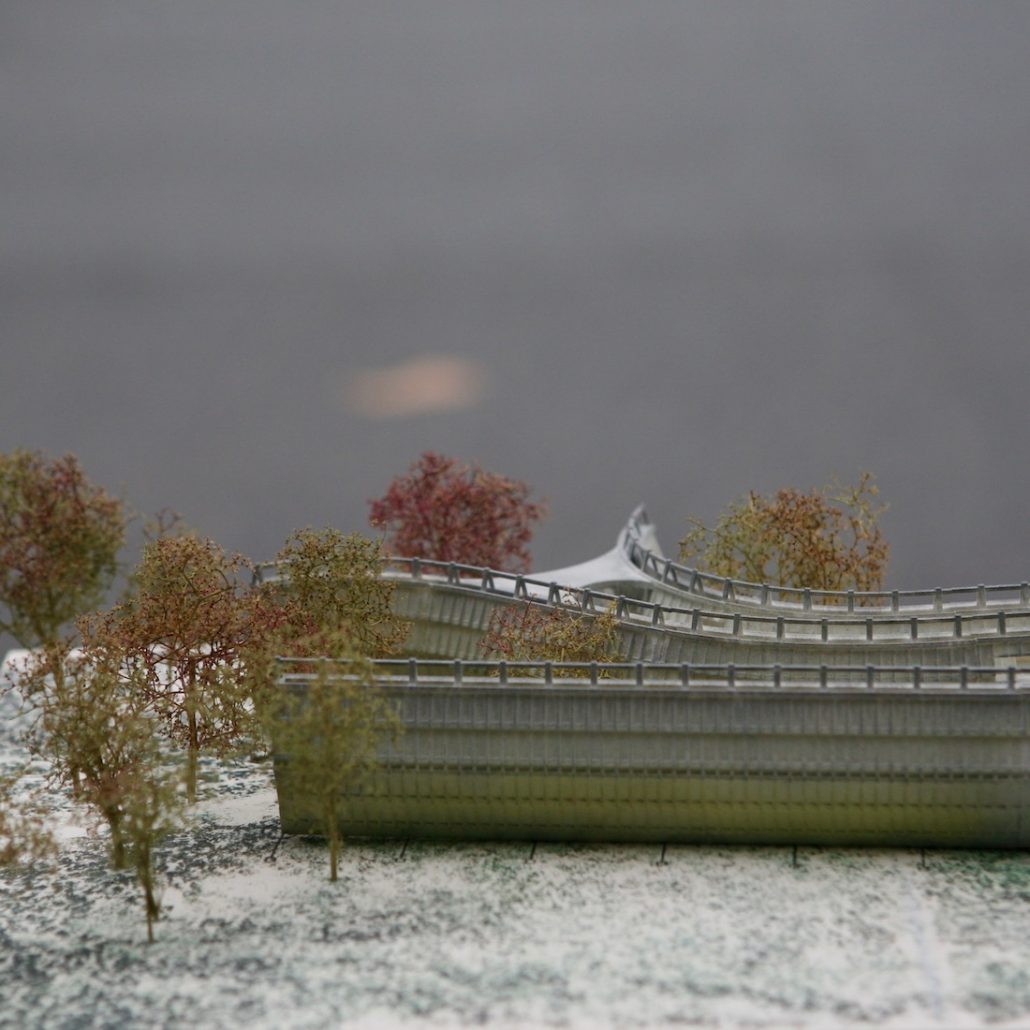
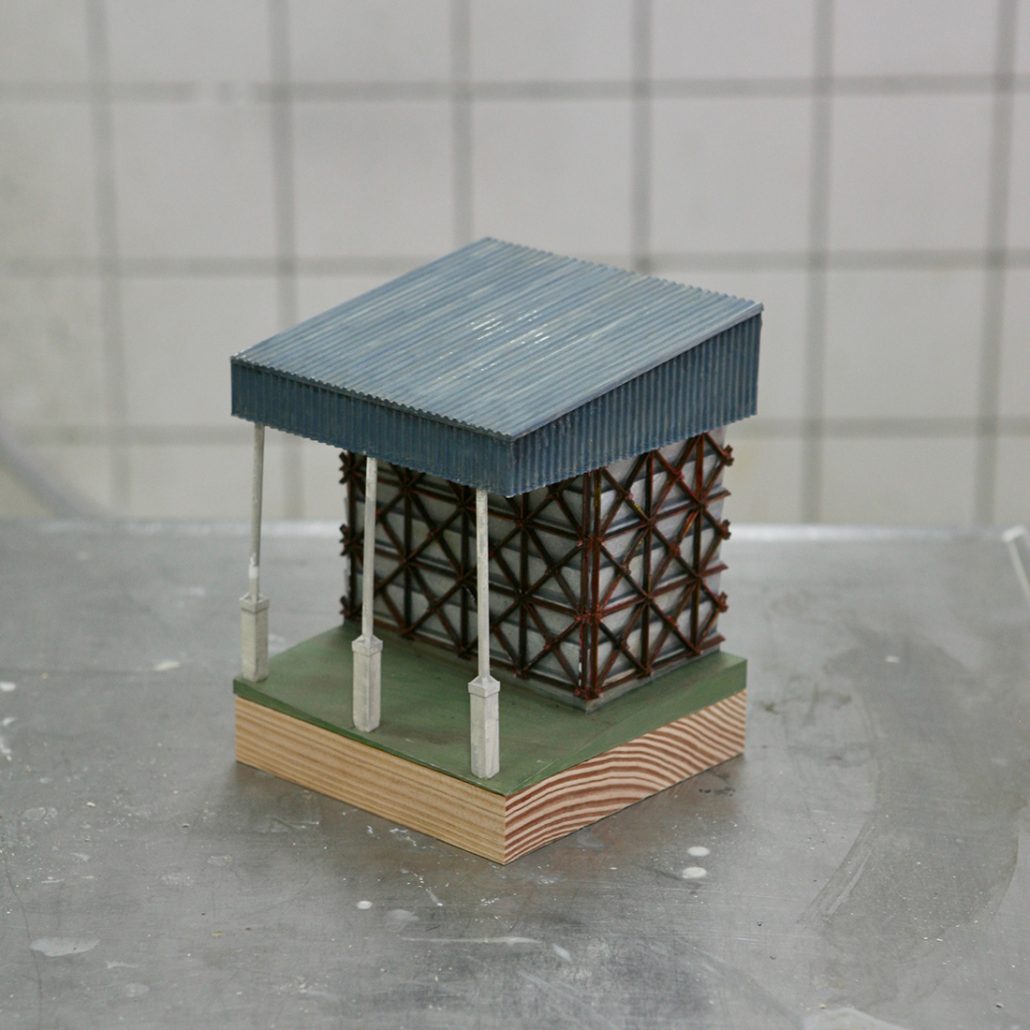
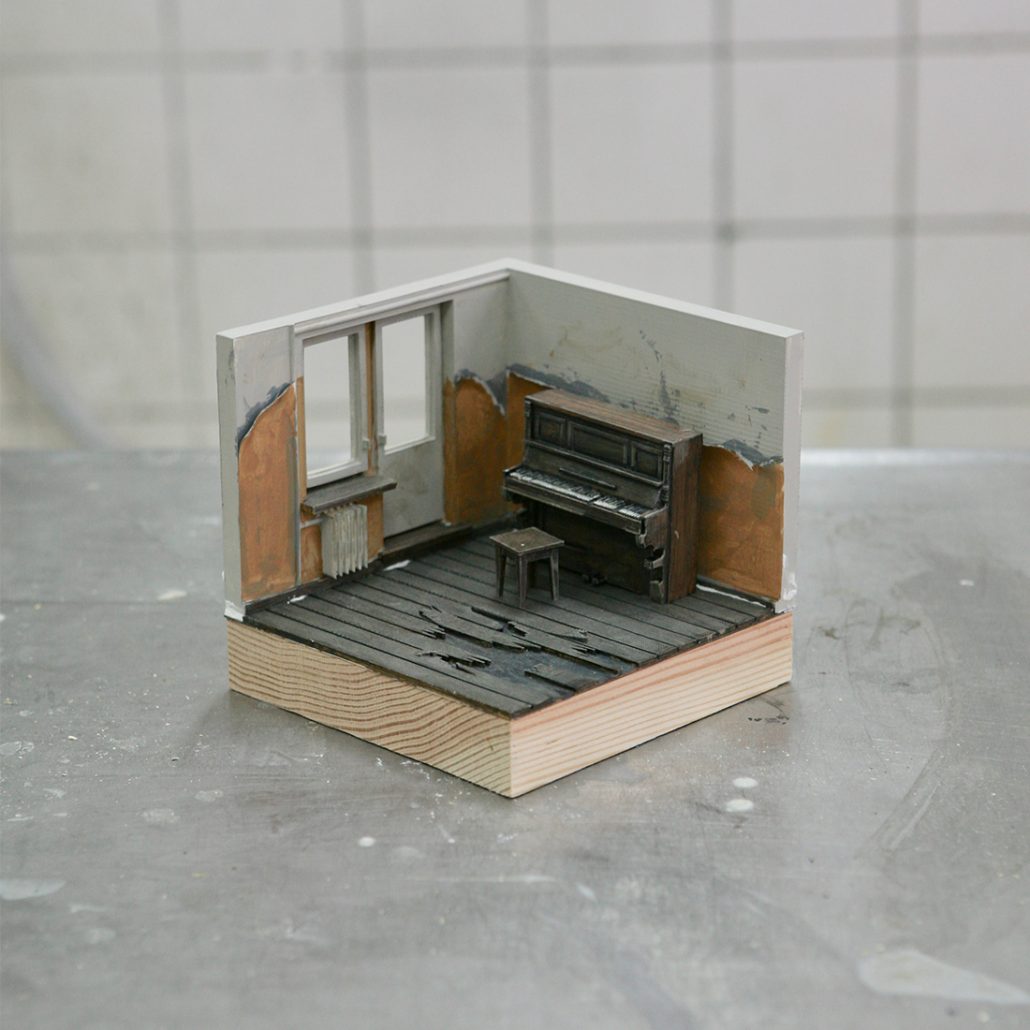
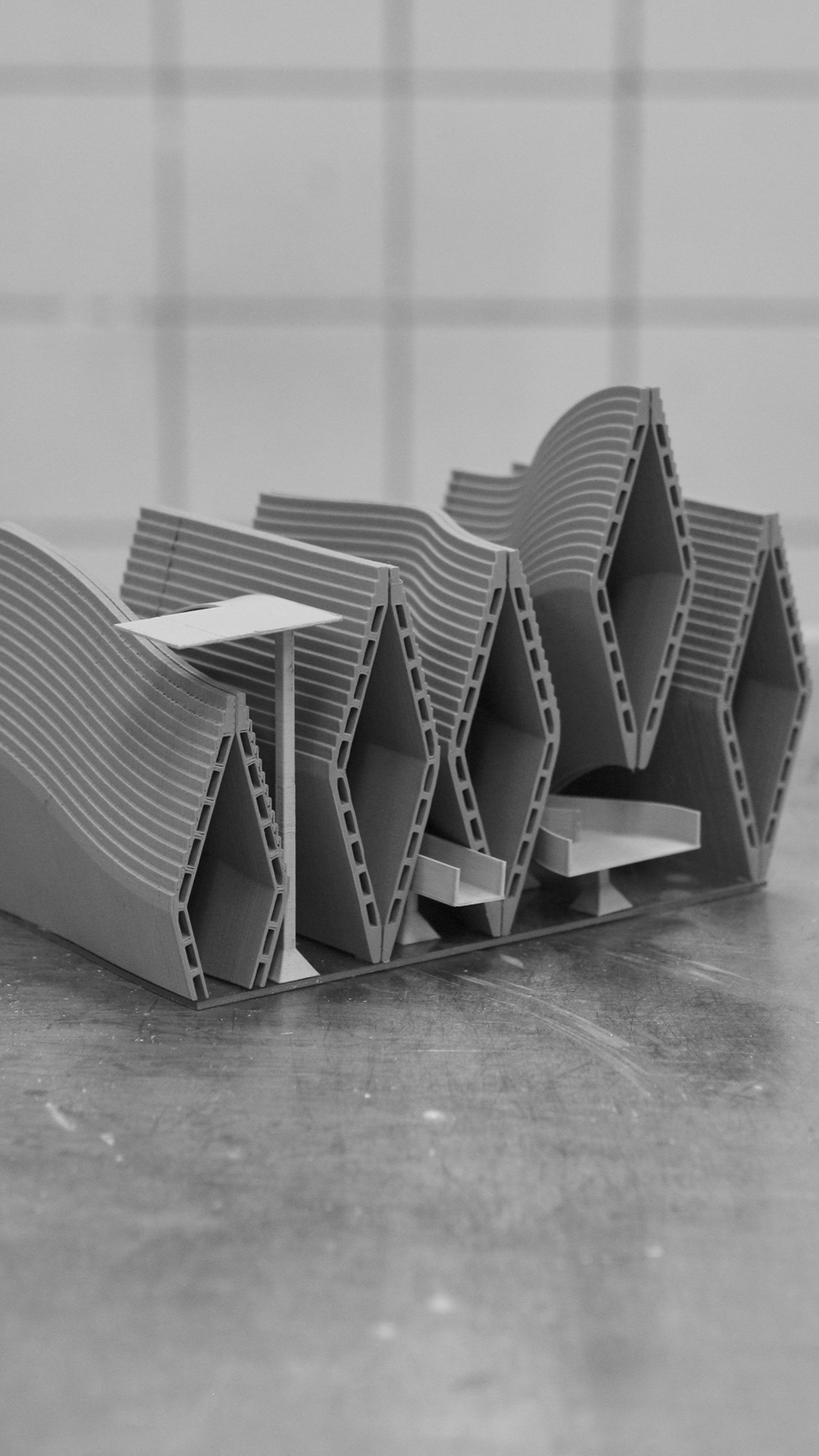
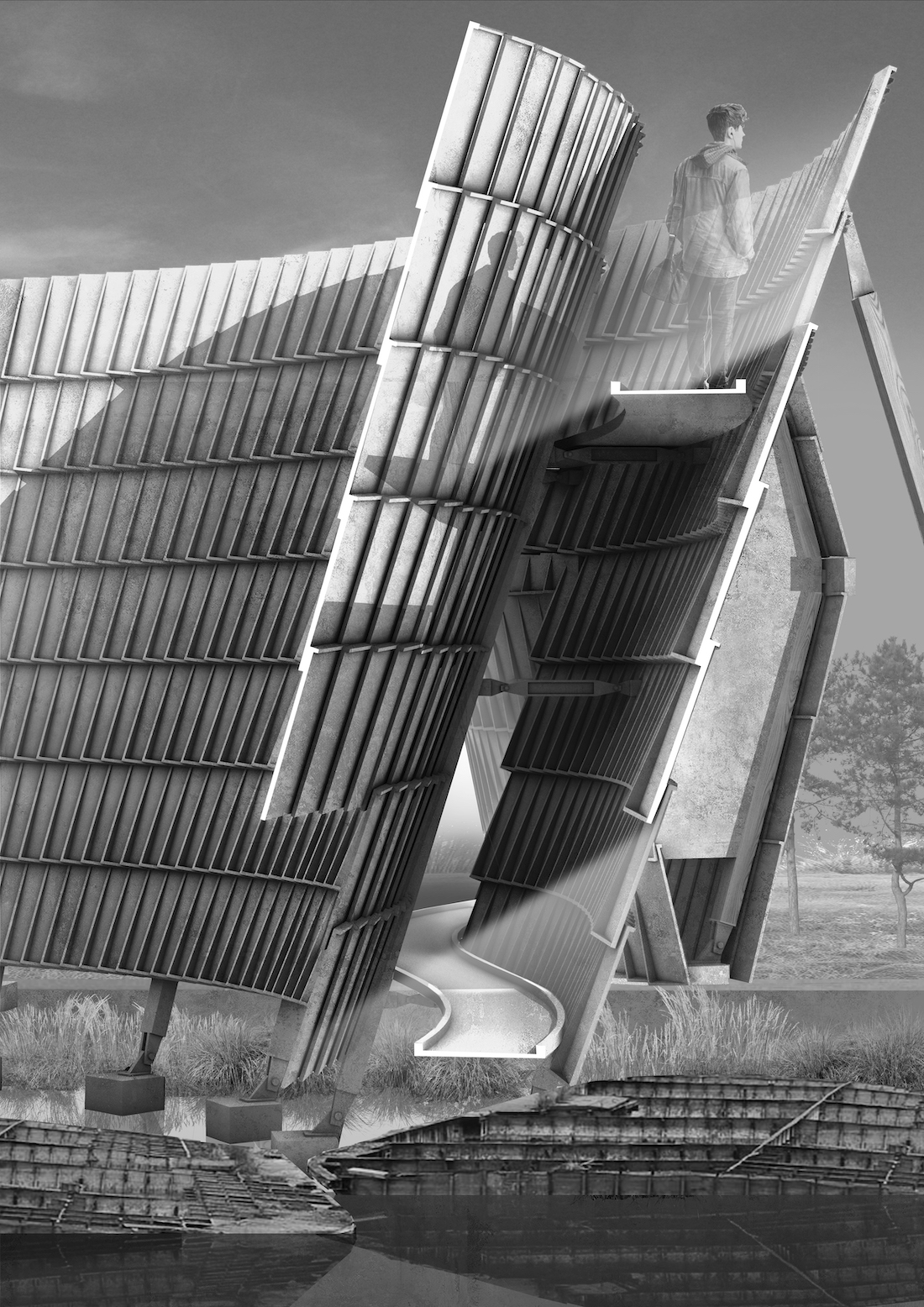
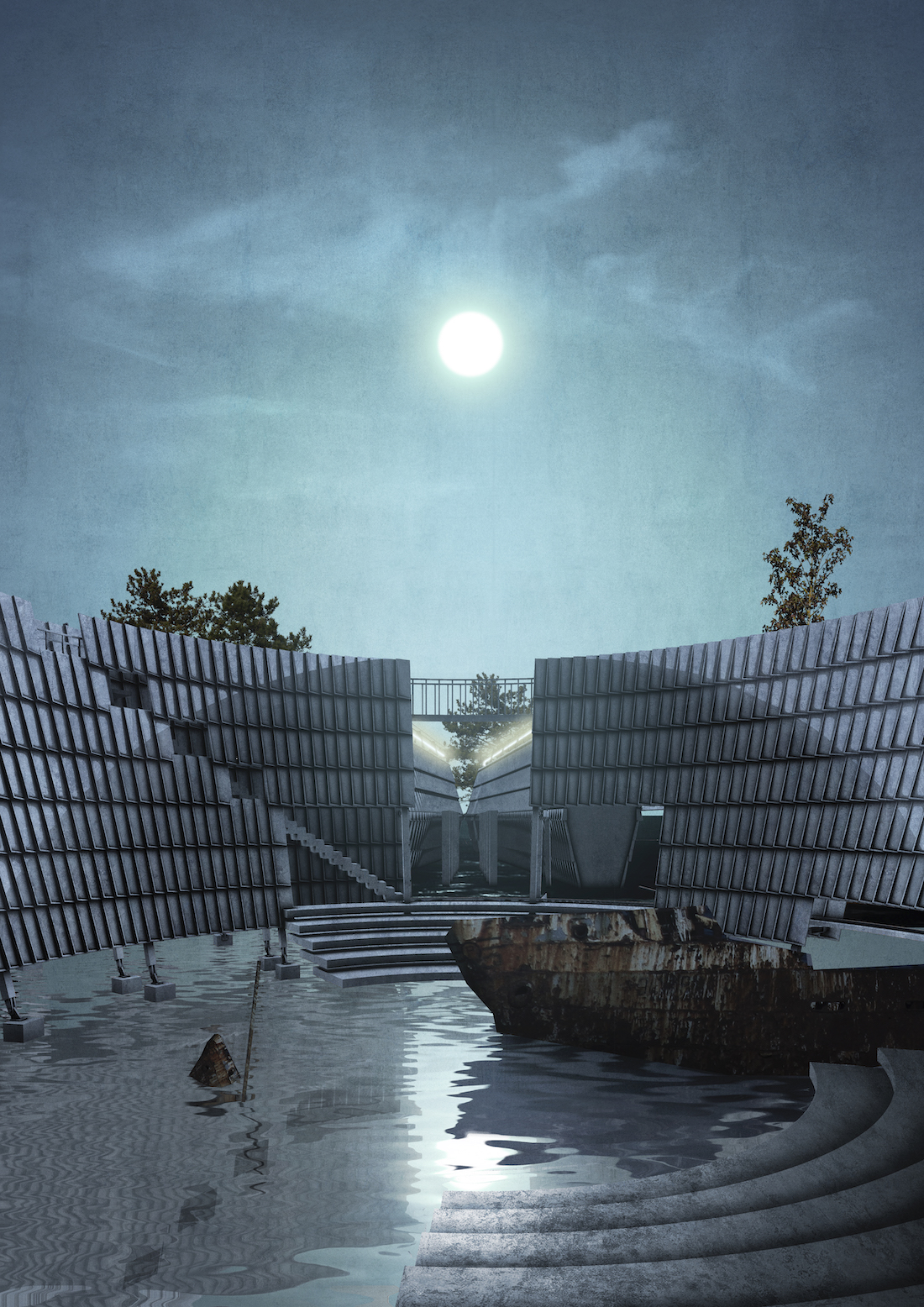
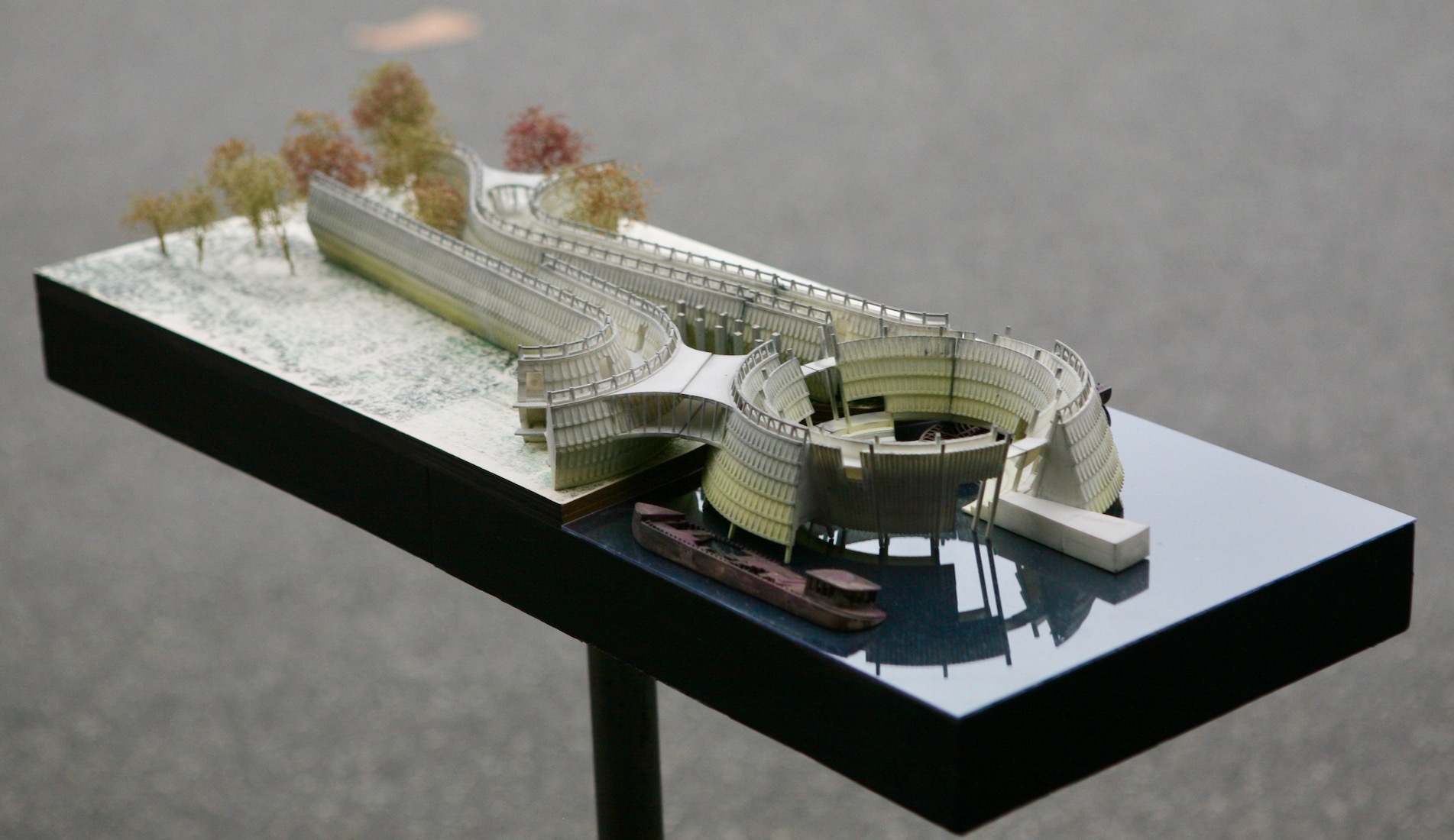
At the Edge of the Shadow is a speculative architectural project located at the epicenter of the Chernobyl disaster. Conceived as a house for dark tourism, the project explores how architecture can mediate between physical exploration of a contaminated landscape and the psychological processing of trauma. It proposes architecture as a tool for reflection, where beauty and terror coexist, and where invisible forces are made sensorially present.
At the Edge of the Shadow is a speculative architectural project located at the epicenter of the Chernobyl disaster. Conceived as a house for dark tourism, the project explores how architecture can mediate between physical exploration of a contaminated landscape and the psychological processing of trauma. It proposes architecture as a tool for reflection, where beauty and terror coexist, and where invisible forces are made sensorially present.
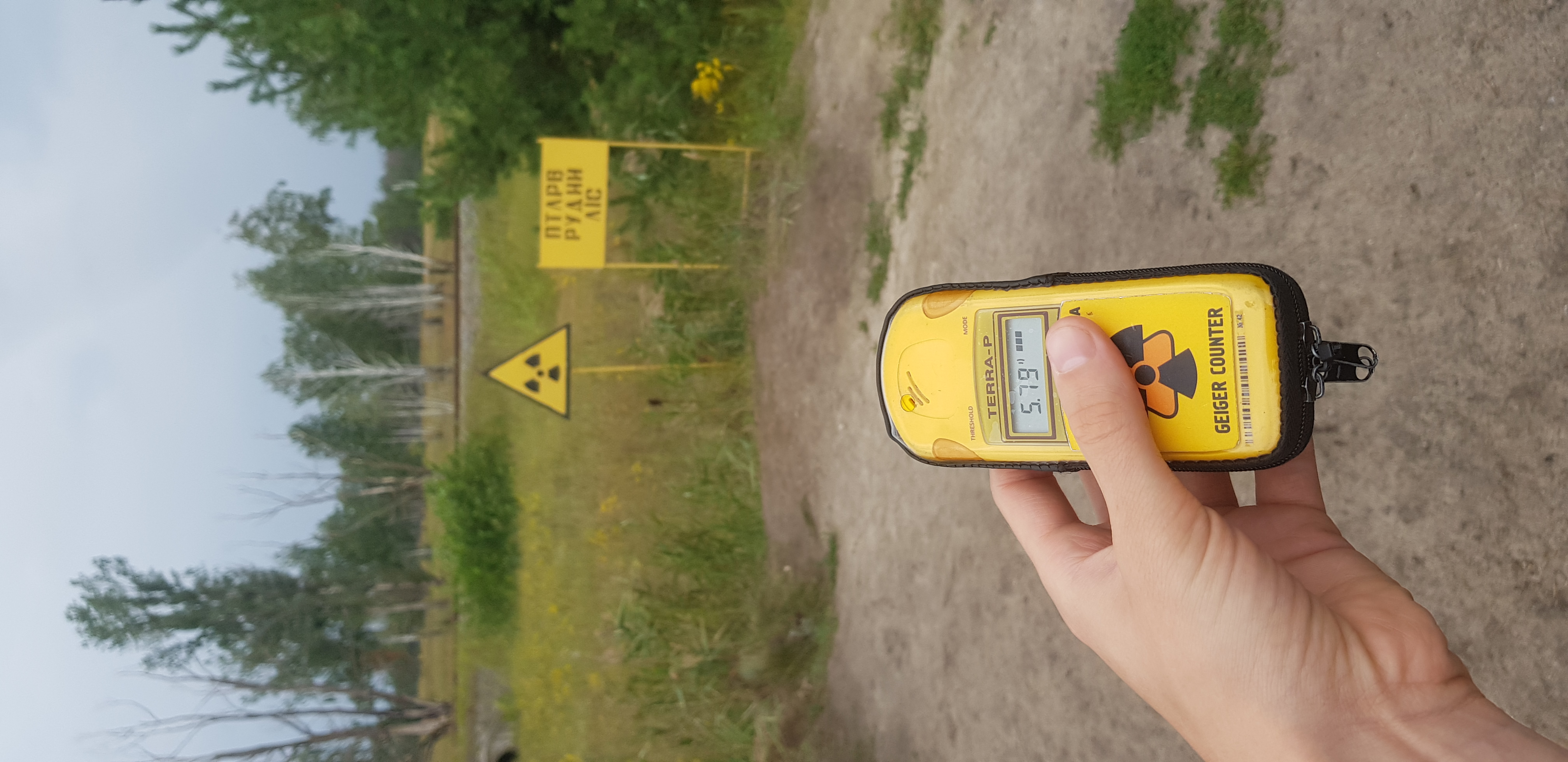
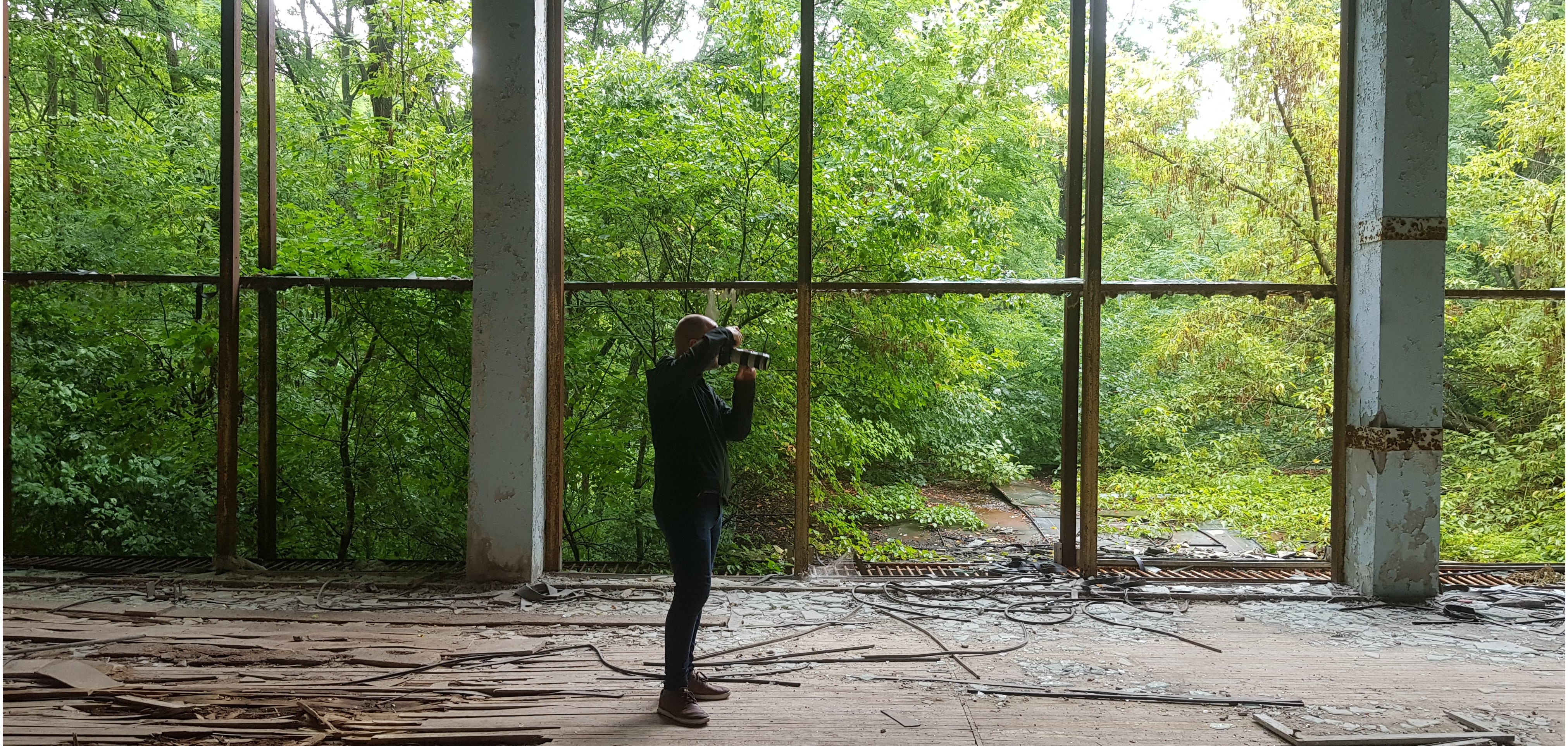
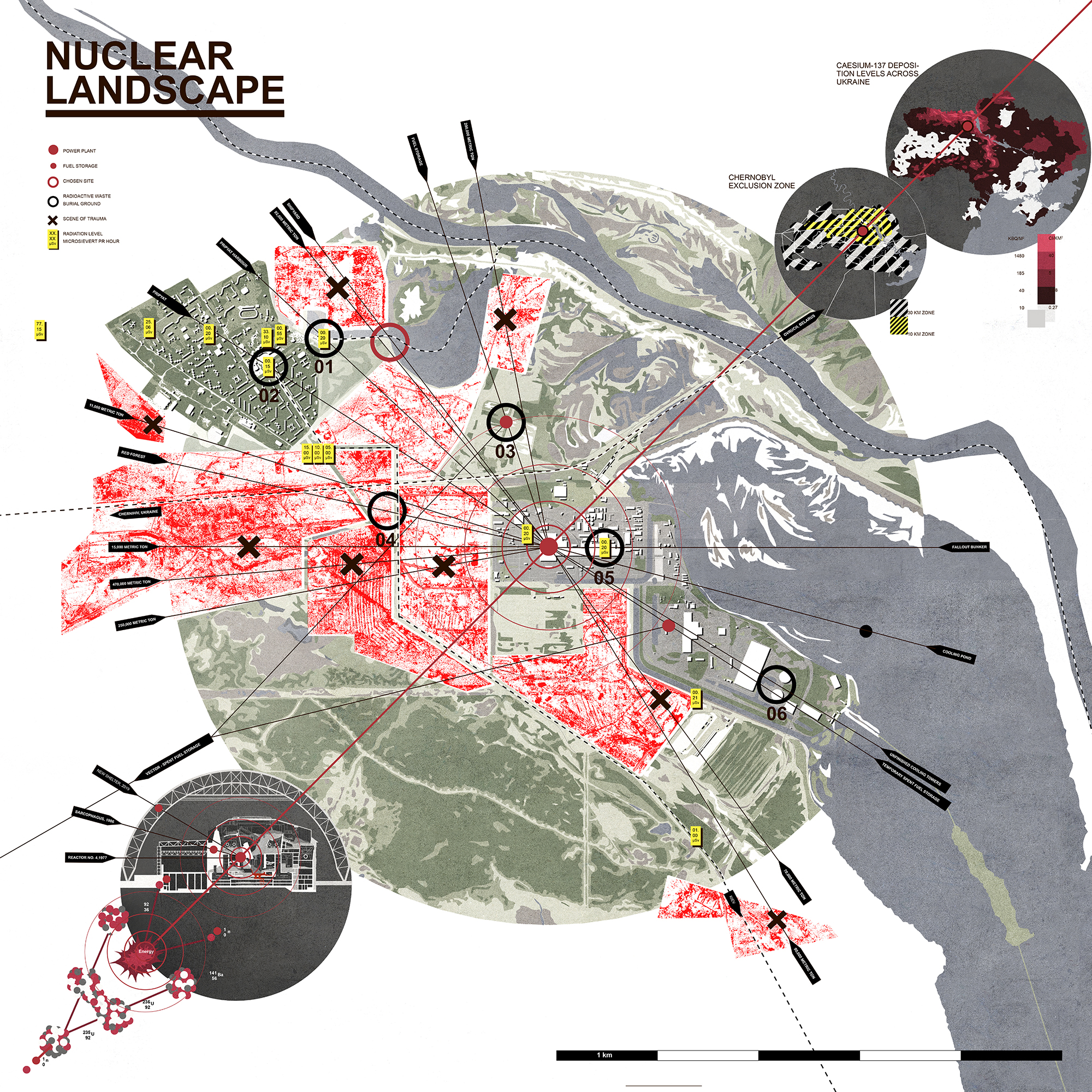
Developed through a field journey to Chernobyl, the project responds to the growing phenomenon of dark tourism. Visitors enter the exclusion zone to grasp radioactivity not only as a scientific condition, but as a lived reality. A landscape shaped by irreversible human failure and uneasy natural regeneration. The architecture is conceived as a mediator between outward exploration and inward, psychological processing. Rather than neutralizing the site’s contradictions, the project amplifies them. Spatial sequences, circulation, and material choices are designed to heighten sensory awareness, allowing visitors to experience the tension between attraction and danger. The goal is a bodily understanding of radioactivity. An invisible force that is otherwise difficult to comprehend.
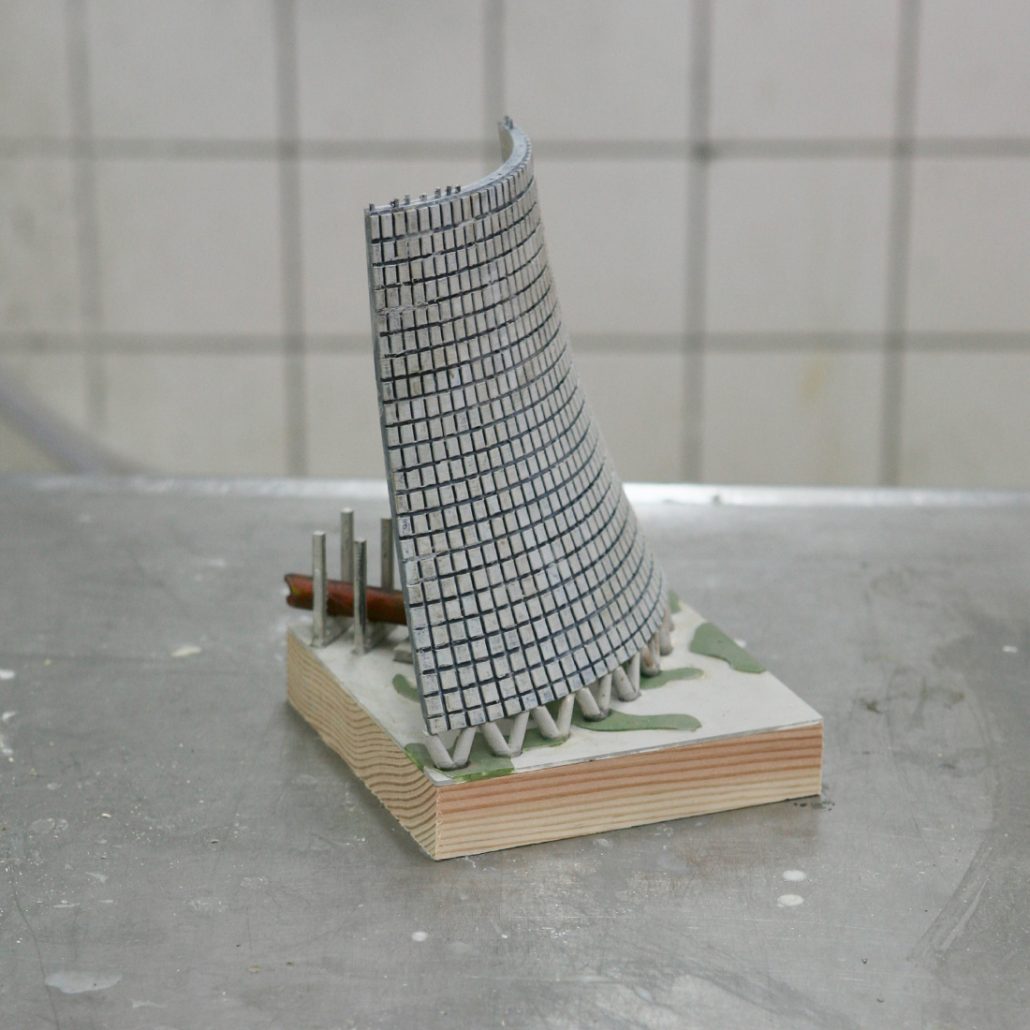
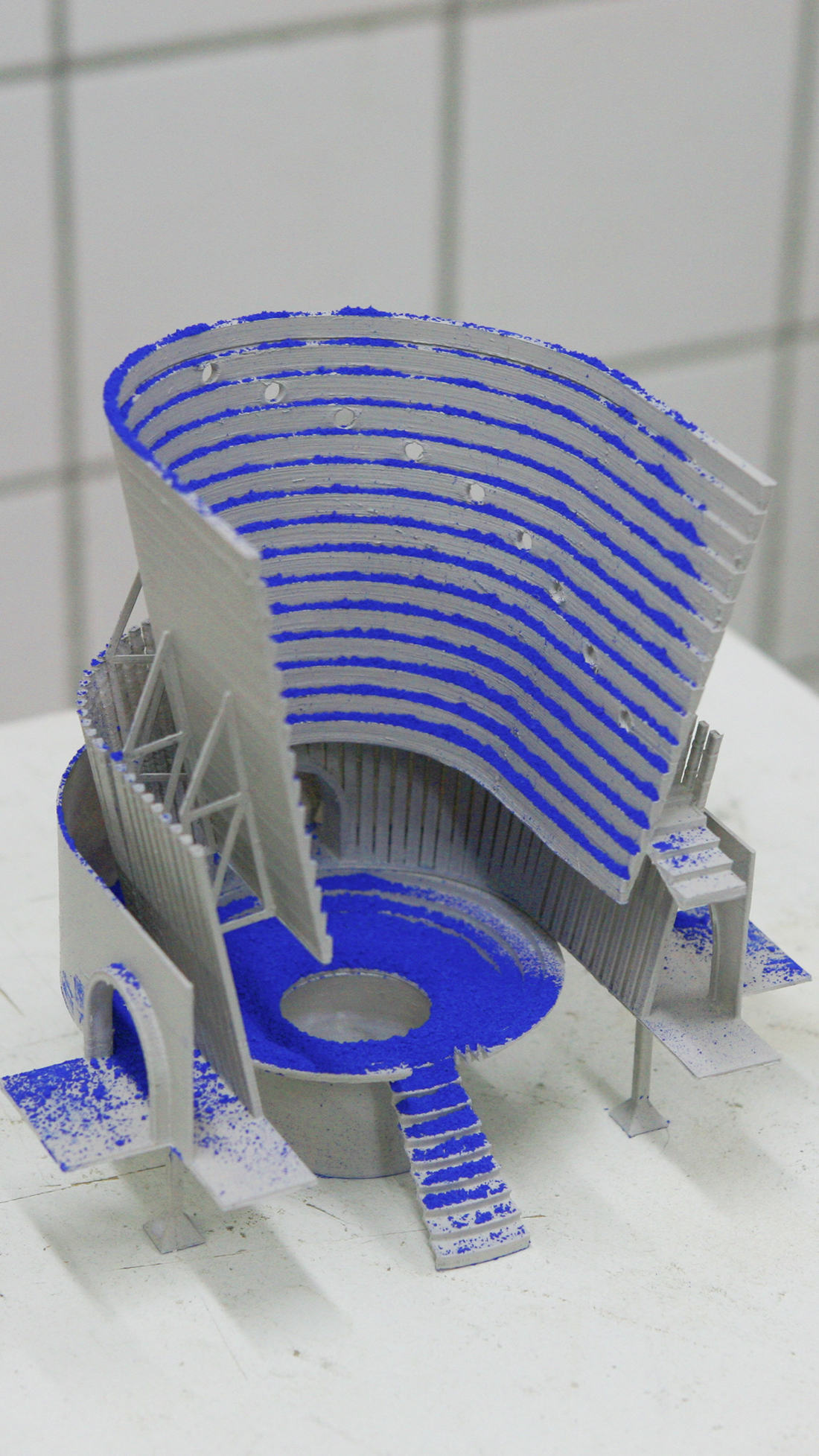
On-site radiation measurements informed a series of material experiments investigating how radioactive particles move, settle, and accumulate over time. These studies were translated into architectural elements, including a facade brick designed to host moss and algae. The resulting surface is tactile and ornamental, visually seductive yet potentially indicative of contamination. Beauty and risk become inseparable, mirroring the conditions of the site itself.
At the Edge of the Shadow proposes an architectural approach to extreme landscapes where reflection and learning emerge through embodied experience. By synthesizing sensory perception with scientific registration, the project brings visitors into close proximity with phenomena that resist purely intellectual understanding.